




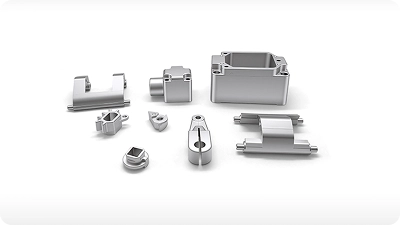
Electronics Precision MIM Components are high-accuracy, small-sized metal parts manufactured through Metal Injection Molding, designed for compact structures, stable performance, and reliable mass production in electronic applications.
Get A Quote Now

Electronics Precision MIM Components are high-accuracy, small-sized metal parts manufactured through Metal Injection Molding, designed for compact structures, stable performance, and reliable mass production in electronic applications.
Get A Quote Now
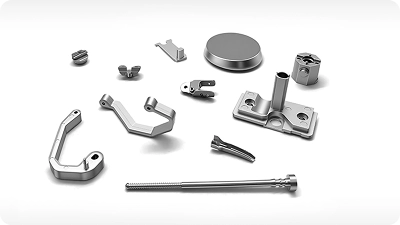
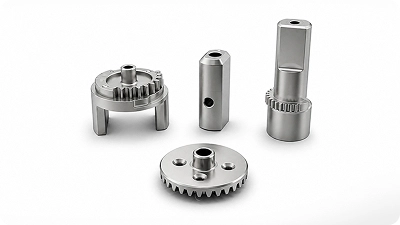
A. Micro Precision Metal Injection Molding Components
Project Overview
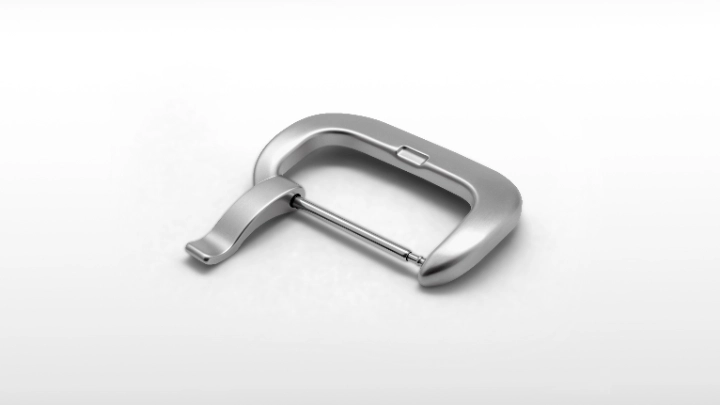
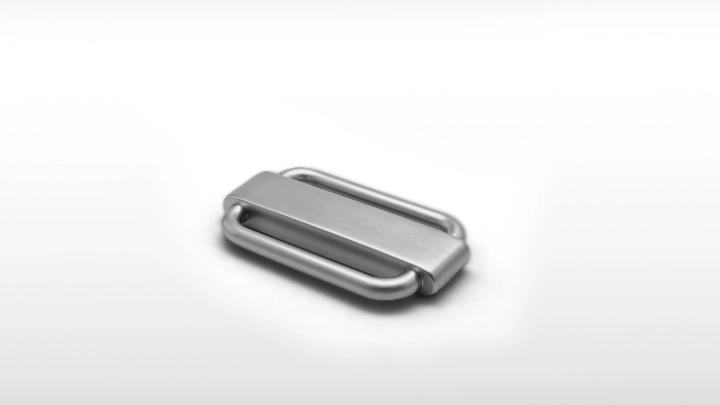
We developed ultra-small precision MIM components for the consumer electronics industry, meeting high requirements for dimensional accuracy and surface appearance.
- Industry: Consumer Electronics
- Process: Metal Injection Molding (MIM)
- Material: Stainless Steel / Alloy Steel
- Annual Volume: 2,000,000+ pcs
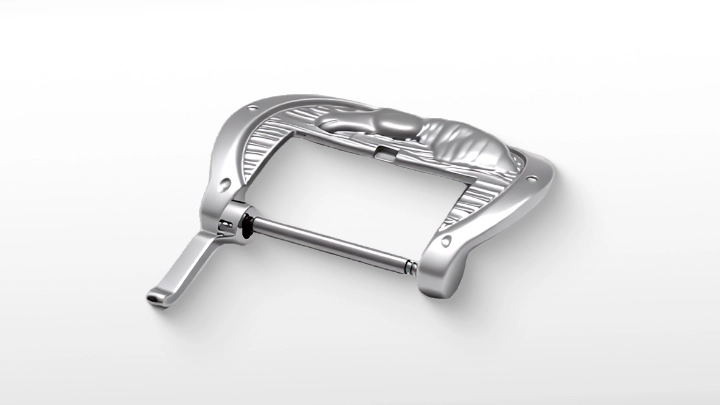
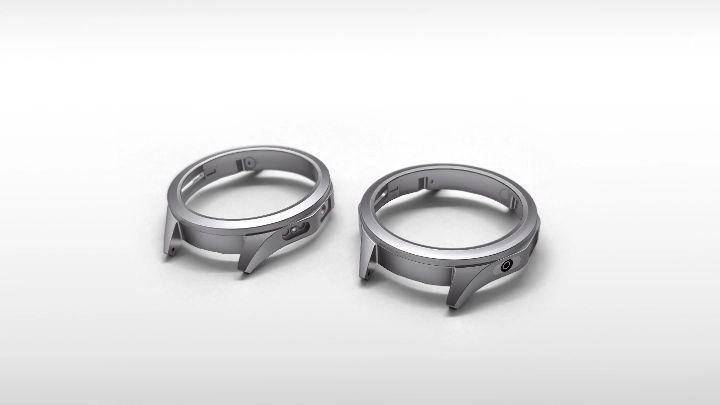
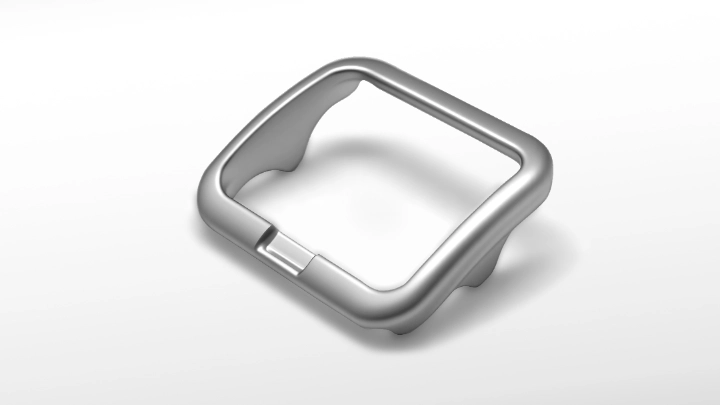
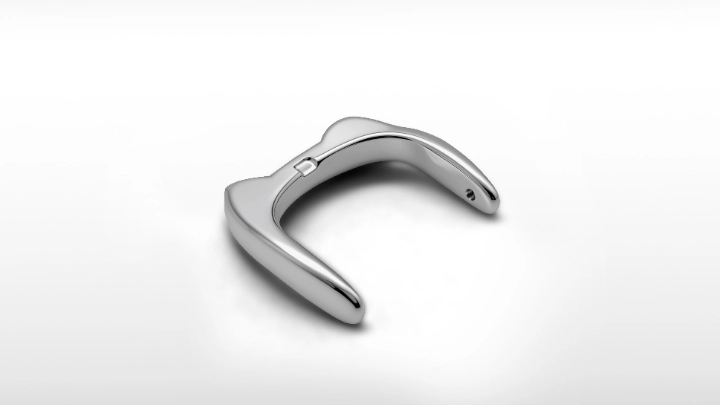
Challenges
- High-volume production consistency
- Ultra-thin wall structure down to 0.3 mm
- High surface appearance requirements
- Tight assembly tolerances
Solution
- Automated inspection system
- High-precision micro MIM molding process
- Fine-controlled sintering technology
- Optimized surface finishing process
Results
- Significant reduction in defect rate
- Successfully produced ultra-thin precision components
- Surface qualification rate above 98%
- Assembly efficiency improved by 35%
Customer Benefits
- Enabled large-scale mass production
- Improved product quality and stability
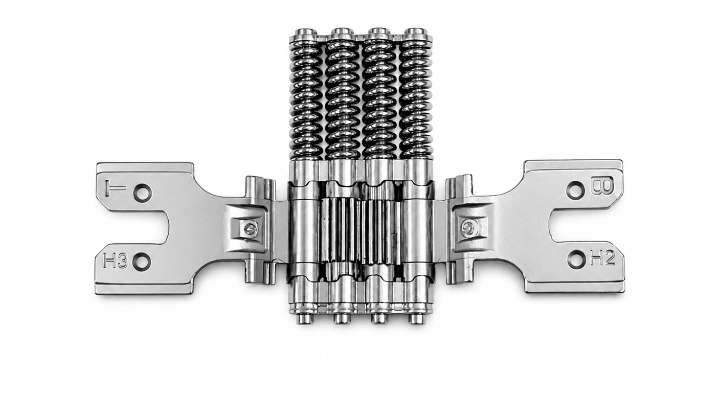
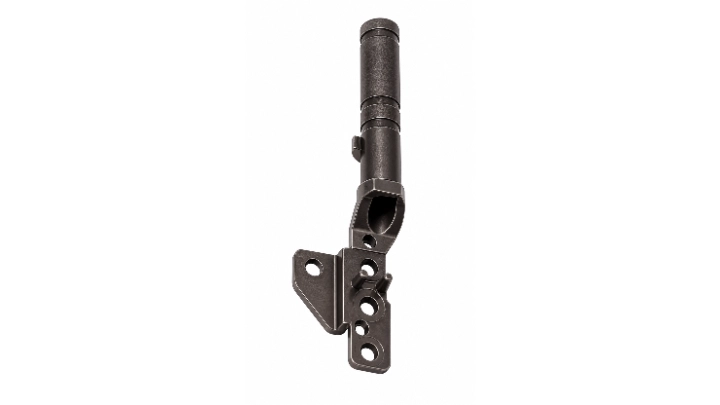
B. Precision Hinge Metal Components
Project Overview
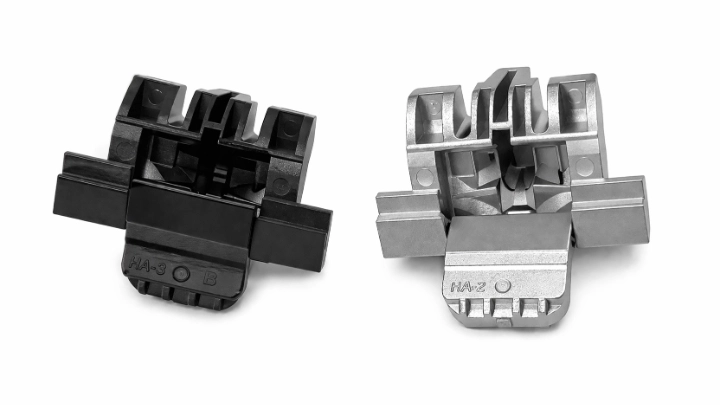
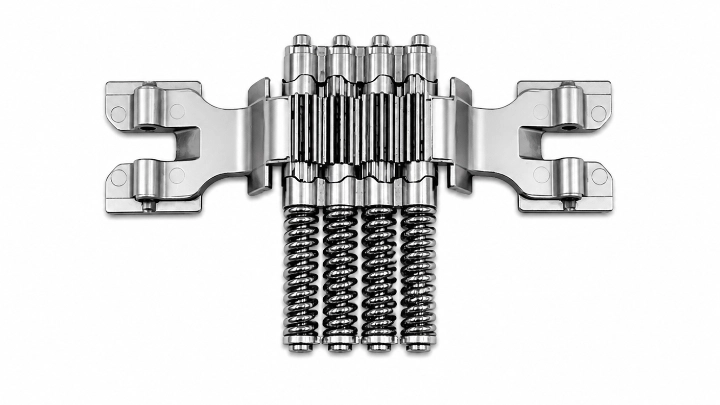
We manufactured precision MIM hinge components for high-end laptops, balancing strength, durability, and surface appearance.
- Material: 17-4PH Stainless Steel
- Key Features: High strength / High precision / Premium appearance
- Annual Volume: 1,500,000+ pcs
Challenges
- High consistency in mass production
- High cycle-life durability requirement
- Precision mating and assembly structure
- Strict appearance quality control
Solution
- Automated full inspection system
- High-precision MIM molding process
- Polishing and electroplating surface treatment
- Tight dimensional tolerance control
Results
- Assembly efficiency improved by 30%
- Service life improved by 40%
- Appearance qualification rate above 99%
Customer Benefits
- Supported stable high-volume shipment
- Enhanced product quality and brand value
- Reduced after-sales failure rate
MIM vs Traditional Manufacturing Processes
| Item | MIM | Powder Metallurgy | Investment Casting | CNC Machining |
| Relative Density | 98% | 86% | 98% | 100% |
| Tensile Strength | High | Low | High | High |
| Surface Finish | High | Medium | Medium | High |
| Miniaturization Capacity | High | Medium | Low | Medium |
| Thin-Wall Forming Capacity | High | Medium | Medium | Low |
| Geometric Complexity | High | Low | Medium | High |
| Design Tolerance Latitude | High | Medium | Medium | Medium |
| Material Selection Range | Wide | Wide | Moderate | Wide |
Surface Treatment Classification Table
| Category | Representative Processes | Core Applications |
| Mechanical Post-treatment | Tumbling, Sandblasting, Mechanical Polishing, Vibratory Grinding | Deburring, surface roughness adjustment, basic surface finishing |
| Chemical & Electrochemical Treatment | Chemical Polishing, Electropolishing, Passivation, Pickling | Improve surface gloss, enhance corrosion resistance, remove oxide scale |
| Plating & Coating | Electroplating, Electroless Nickel Plating, PVD, DLC, Anodizing | Wear & corrosion resistance, hard coatings, decorative coloring |
| Heat Treatment | Vacuum Quenching, Age Hardening, Carburizing / Nitriding, Carbonitriding | Boost hardness & tensile strength, surface strengthening |
| Special Treatments | Black Oxide Coating, Impregnation & Sealing, Spraying, Laser Marking, Brushed Finishing | Sealing for air tightness, decorative marking, special surface |
Get In Touch
FAQ
Here are some of the questions we get asked often. If yours isn’t answered, don’t hesitate to contact us, we’re happy to help!
-
How does MIM differ from conventional injection molding, machining, and die casting?
-
Compared to injection molding: MIM produces metal parts with significantly higher strength and hardness than plastic parts. Compared to machining: MIM is ideal for small, intricate, or multi-cavity parts, offering higher material utilization and lower per-unit costs in mass production. Compared to die casting: MIM supports a wider range of materials (e.g., stainless steel, titanium, superalloys), achieves higher density (≥95%), and delivers superior mechanical properties.
-
Can you provide assistance during the design phase?
-
Yes. Our engineering team offers free DFM (Design for Manufacturability) review. We help optimize wall thickness, draft angles, gate placement, and tolerances specifically for MIM. With in-house mold design and manufacturing capability, we can validate feasibility quickly and suggest cost-effective alternatives before tooling begins.
-
What is your experience with high-precision parts?
-
We have extensive experience producing high-precision MIM parts for 3C electronics, medical devices, and automotive applications — with tolerances as tight as ±0.02mm and surface roughness down to Ra 0.4μm after polishing. Our precision is backed by CNC machining, CNC turning, and coordinate measuring equipment, ensuring consistent quality even at high volumes.
-
What surface finishing options do you offer?
-
We provide a full range of post-processing services: CNC machining, CNC turning, polishing, and various surface treatments including passivation, PVD coating, electroplating, and sandblasting. The final finish is selected based on functional and aesthetic requirements, and all treatments are verified during our quality measurement process.