



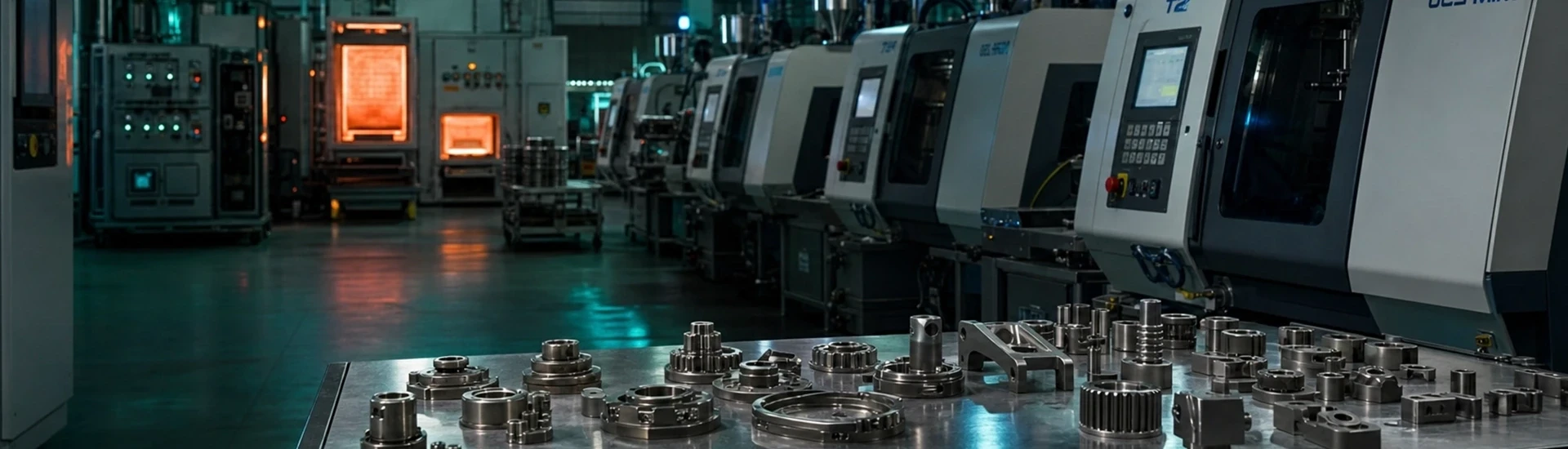
Multi-material compatibility, available in stainless steel and light metal customization, to meet the demands of high-end industries.
Get A Quote Now

Technological Strength
Multi-material compatibility, available in stainless steel and light metal customization, to meet the demands of high-end industries.
Get A Quote Now
Technological Strength
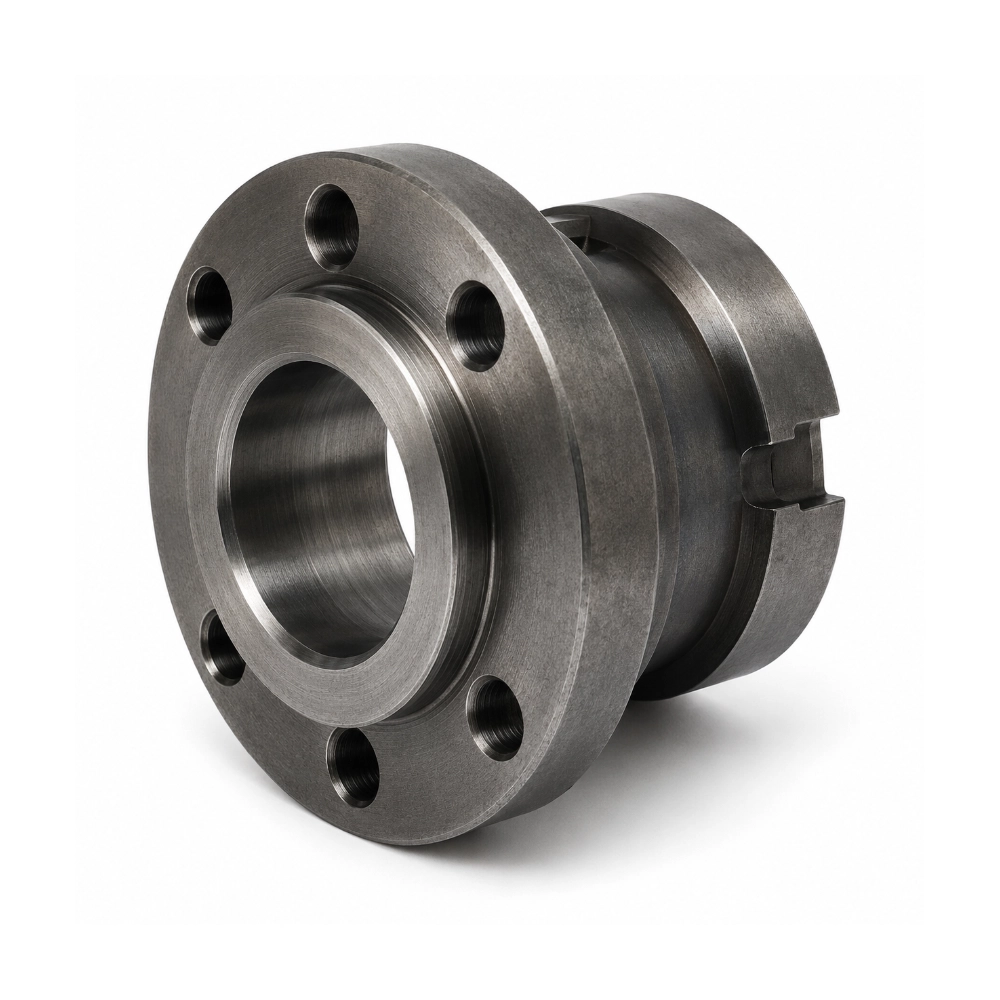
Fe8Ni
- Name: Low-alloy steel
- Grade: Fe8Ni
View Details

Fe8Ni is an iron-nickel low-alloy steel with 8% nickel as the primary alloying element, widely applied in MIM production for parts requiring high toughness and dimensional stability.
Typical Chemical Composition
- Nickel (Ni): 7.5%–8.5% – Main alloy element that improves low-temperature toughness, sintering densification and dimensional consistency
- Carbon (C): ≤0.03% – Ultra-low carbon to avoid brittle carbide precipitation
- Minor trace elements: Mn, Si (trace levels)
- Balance: Iron
Core Material Properties
- Excellent Sintering Performance for MIM The nickel alloying system promotes uniform densification during sintering, delivering high compactness with minimal shrinkage deviation, ideal for micro complex thin-walled components.
- Superior Low-Temperature Toughness Nickel refines the ferrite matrix, eliminating low-temperature brittleness; maintains stable impact performance under cryogenic working conditions.
- Adjustable Mechanical Strength Strength and hardness can be boosted via carburizing, nitriding or quenching & tempering heat treatments; no precipitation hardening effect like 17-4PH.
- Magnetic Characteristic Ferromagnetic material, suitable for electromagnetic structural parts; not applicable for magnetic-sensitive precision electronics.
- Moderate Corrosion Resistance Basic rust resistance inferior to austenitic stainless steel (304/316). Surface protection such as plating, passivation or oil sealing is required for humid environments.
- Dimensional Stability Low thermal expansion coefficient compared to plain carbon steel, less prone to deformation during temperature cycling.
Machining & MIM Process Adaptability
- Metal Injection Molding (MIM) Fe8Ni powder has good fluidity for intricate micro geometries. After debinding and sintering, the part features uniform internal structure and low distortion, perfect for small mechanical structural parts with tight tolerance requirements.
- Compatible Surface Treatments Supports polishing, sandblasting, electroplating, nitriding and carburizing to enhance surface hardness and anti-rust capacity.
- Heat Treatment Options Can undergo quenching and tempering to balance strength and toughness; surface chemical heat treatment (nitriding) is commonly used to upgrade surface wear resistance.
Advantages & Disadvantages
Advantages
- Lower raw material cost than stainless steel grades
- Outstanding sintering shrinkage consistency, high dimensional accuracy for MIM mass production
- Exceptional low-temperature impact resistance
- Easy to strengthen via conventional quenching/tempering or surface hardening processes
Disadvantages
- Poor natural corrosion resistance; extra surface coating mandatory for damp or corrosive environments
- Magnetic, incompatible with magnetic interference-sensitive assemblies
- No high corrosion resistance against salt spray, acid and alkali media
Typical Applications
- Precision Transmission Parts: Small gear components, gear sleeves, low-load gear shafts
- Electromagnetic Components: Miniature magnetic structural brackets, sensor housings
- General Industrial Hardware: Low-load connecting pins, structural supports, miniature machinery parts
- Automotive General Fittings: Low-stress interior structural small parts
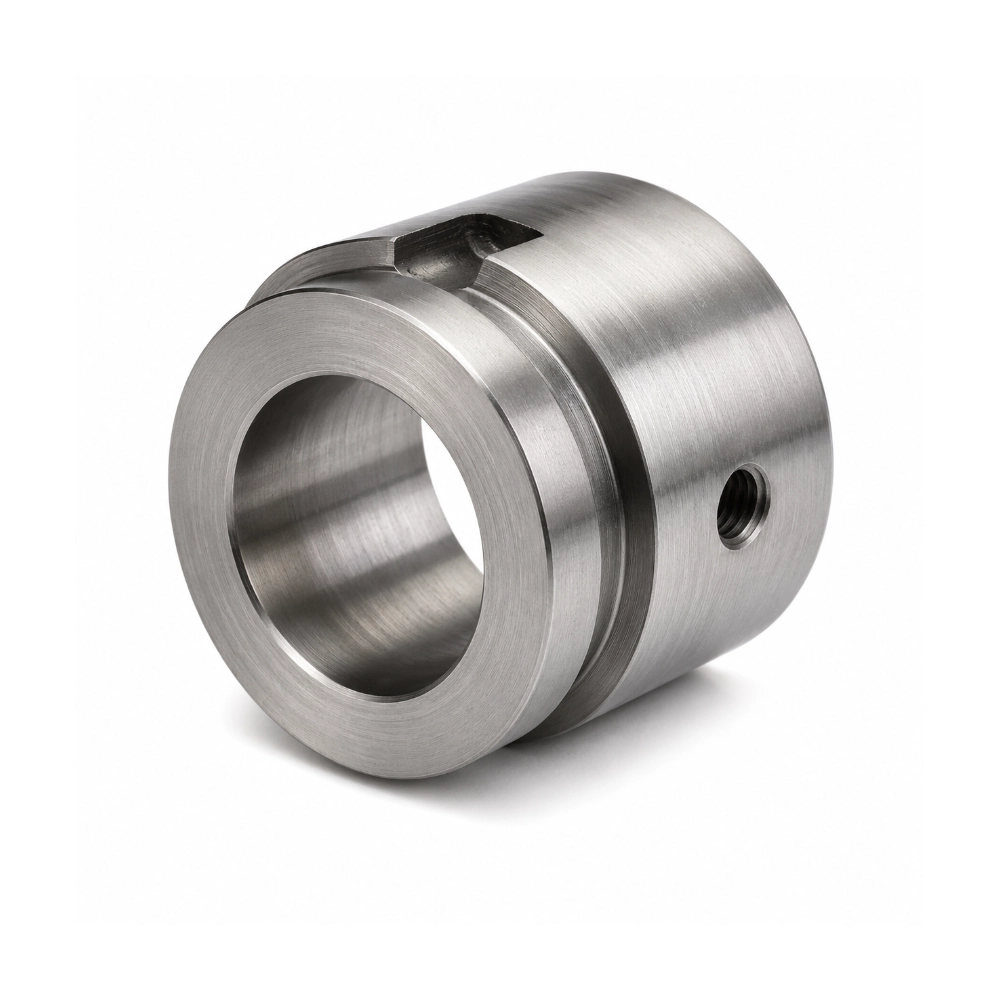
420
- Name: Martensitic stainless steel
- Grade: 420
View Details
420 is a typical high-carbon martensitic stainless steel. It can achieve ultra-high hardness through quenching and tempering heat treatment, balancing moderate corrosion resistance and excellent wear resistance.
Typical Chemical Composition
- Chromium (Cr): 12.0%–14.0% – Provides basic anti-rust and oxidation resistance
- Carbon (C): 0.15%–0.40% – High carbon content is the key to high hardness after quenching
- Trace elements: Mn, Si, P, S (strictly controlled)
- Balance: Iron
Core Material Properties
- Ultra-high Hardness After Heat Treatment Fully quenched 420 can reach 50–58 HRC, with outstanding wear resistance, suitable for cutting, sliding and friction parts.
- Medium Corrosion Resistance Corrosion resistance is better than carbon steel and low-alloy steel, but inferior to 304/316 austenitic stainless steel. It resists air, fresh water and weak organic media, yet prone to rust in salt spray and acidic environments.
- Heat-Treatable Hardening Soft in annealed state for forming and machining; quenching followed by low-temperature tempering drastically boosts hardness and tensile strength.
- Magnetic Property Ferromagnetic under all heat treatment conditions, not suitable for magnetic-sensitive electronic assemblies.
- Forming Limitation High carbon content leads to poor ductility. It is prone to cracking during deep drawing or complex cold forming, so MIM sintering parameters need precise control.
- Temperature Performance Long-term service temperature should not exceed 250°C; high temperature will cause hardness decline.
Machining & MIM Process Adaptability
- Metal Injection Molding (MIM) 420 powder can form complex tiny structural parts via MIM. Strict control of carbon content and sintering atmosphere is required to avoid decarburization or carburization defects. Ideal for small cutting inserts, precision sliding parts and miniature tool components.
- Compatible Surface Treatments Supports polishing, sandblasting, passivation, PVD coating; polishing can achieve mirror finish for decorative & functional dual-purpose parts.
- Standard Heat Treatment Flow Annealing (softening) → quenching (high-temperature heating + rapid cooling) → low-temperature tempering to relieve internal stress and retain high hardness.
Advantages & Disadvantages
Advantages
- Attainable ultra-high hardness and superior wear resistance after quenching
- Lower material cost than 17-4PH precipitation hardening stainless steel
- Good polishability for bright decorative surfaces
- High surface hardness, ideal for long-term friction and cutting components
Disadvantages
- Limited corrosion resistance, cannot be used in salt, acid or coastal humid environments
- High carbon causes poor ductility, easy to crack during forming and sintering
- Fully magnetic, incompatible with magnetic interference-sensitive equipment
- Risk of decarburization during high-temperature sintering, requiring precise atmosphere control
Typical Applications
- Precision Tools & Medical Hardware: Small scalpels, miniature cutting forceps, low-corrosion surgical tool heads
- Consumer Hardware: Watch case inner structural sliding parts, miniature cutting blades
- Industrial Fittings: Low-corrosion wear-resistant shafts, small sliding valve cores
- Daily Precision Parts: High-hardness decorative trimming parts with light friction
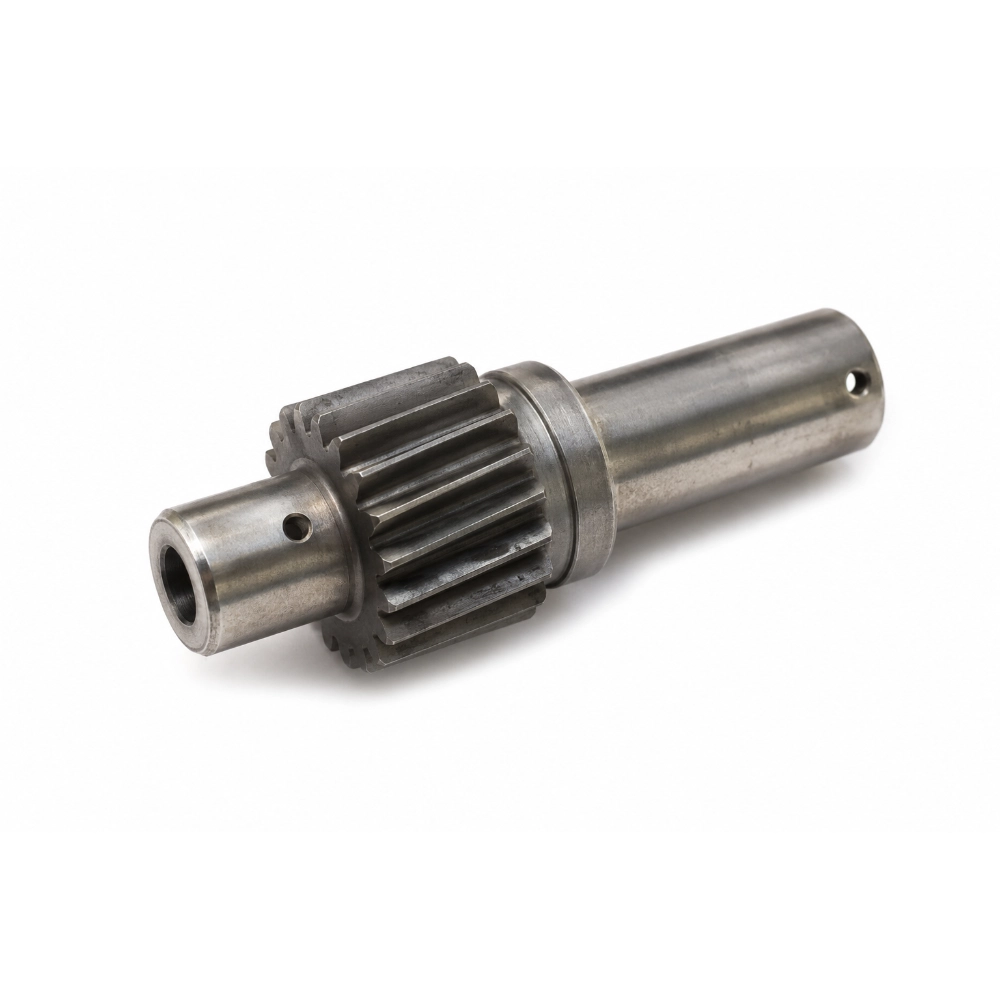
Fe2Ni
- Name: Low-alloy steel
- Type: Fe2Ni
View Details
Fe2Ni is a cost-efficient iron-nickel low-alloy steel with 2% nickel as the primary alloying element, specially optimized for MIM mass production of low-load structural and soft magnetic components.
Typical Chemical Composition (Weight %)
- Nickel (Ni): 1.5%–2.5% – Improves sintering densification, ductility, dimensional stability and mild corrosion resistance
- Carbon (C): ≤0.10% / 0.40–0.60% (adjustable by application)
- Trace elements: Mn ≤1.0%, Si ≤1.0%, S ≤0.03%, P ≤0.035%
- Balance: Iron (Fe)
Core Material Properties
- Excellent MIM Sintering Performance Spherical Fe2Ni powder has superior fluidity. After debinding and vacuum sintering, it achieves high density above 7.5 g/cm³, uniform shrinkage and low dimensional deviation, ideal for miniature complex thin-walled precision parts.
- Soft Magnetic Characteristics Ferromagnetic soft magnetic alloy with high saturation flux density (Bs>1.7T), moderate permeability and high Curie temperature (~720°C). Suitable for magnetic yokes, sensor cores and miniature motor components.
- Tunable Mechanical Strength
- As-sintered state: Low hardness (90–110 HV), high ductility (elongation ≥25%)
- After quenching & tempering: Hardness up to 600 HV, significantly improved tensile strength and wear resistance for mechanical functional parts
- Good Dimensional Stability Low thermal expansion coefficient similar to Invar alloy, less thermal deformation under temperature cycling, meeting tight tolerance requirements for precision instruments.
- Basic Corrosion Resistance Better rust resistance than plain carbon steel, but far inferior to 304/316 stainless steel. Surface coating (plating, nitriding) is required for humid or corrosive environments.
- Wide Operating Temperature Range Stable mechanical and magnetic properties from -40°C to 200°C, applicable for automotive and electronic components with variable working temperatures.
Machining & MIM Process Adaptability
- Metal Injection Molding (MIM) Low nickel content reduces raw material cost greatly vs Fe8Ni. Fe2Ni feedstock easily forms tiny gears, magnetic brackets and structural inserts without cracking during sintering. Vacuum sintering prevents oxidation and carbon imbalance defects.
- Compatible Surface Treatments Supports polishing, sandblasting, electroplating, carburizing and nitriding; nitriding effectively upgrades surface hardness and anti-rust capacity.
- Heat Treatment Options
- Stress relief: Remove sintering internal stress
- Quenching + tempering: Boost hardness and wear resistance for load-bearing mechanical parts
- Carburizing/nitriding: Surface hardening without changing core toughness
Advantages & Disadvantages
Advantages
- Ultra-low raw material cost, 40%–50% cheaper than Fe8Ni low-alloy steel
- Stable sinter shrinkage, high dimensional consistency for high-volume MIM production
- Balanced ductility and strength in as-sintered state
- Outstanding soft magnetic performance for electromagnetic assemblies
- Adjustable hardness via heat treatment for dual structural/magnetic use
Disadvantages
- Poor natural corrosion resistance; protective coating mandatory for wet environments
- Fully ferromagnetic, cannot be used for magnetic-sensitive electronic equipment
- No resistance to salt spray, acid and alkaline media
- Lower toughness and corrosion resistance than stainless steel grades
Typical Applications
- Electromagnetic Components: Miniature motor cores, sensor magnetic yokes, actuator brackets
- Precision Transmission Parts: Low-load small gears, gear sleeves, connecting pins
- Consumer Electronics: Micro structural fasteners, internal equipment supports
- Automotive Parts: Low-stress interior structural fittings, miniature sensor housings
- Industrial Tools: Low-load crimping inserts, small hand tool blades
TC4 Titanium Alloy
- Name: Non-ferrous light metal
- Type: TC4 titanium alloy
View Details
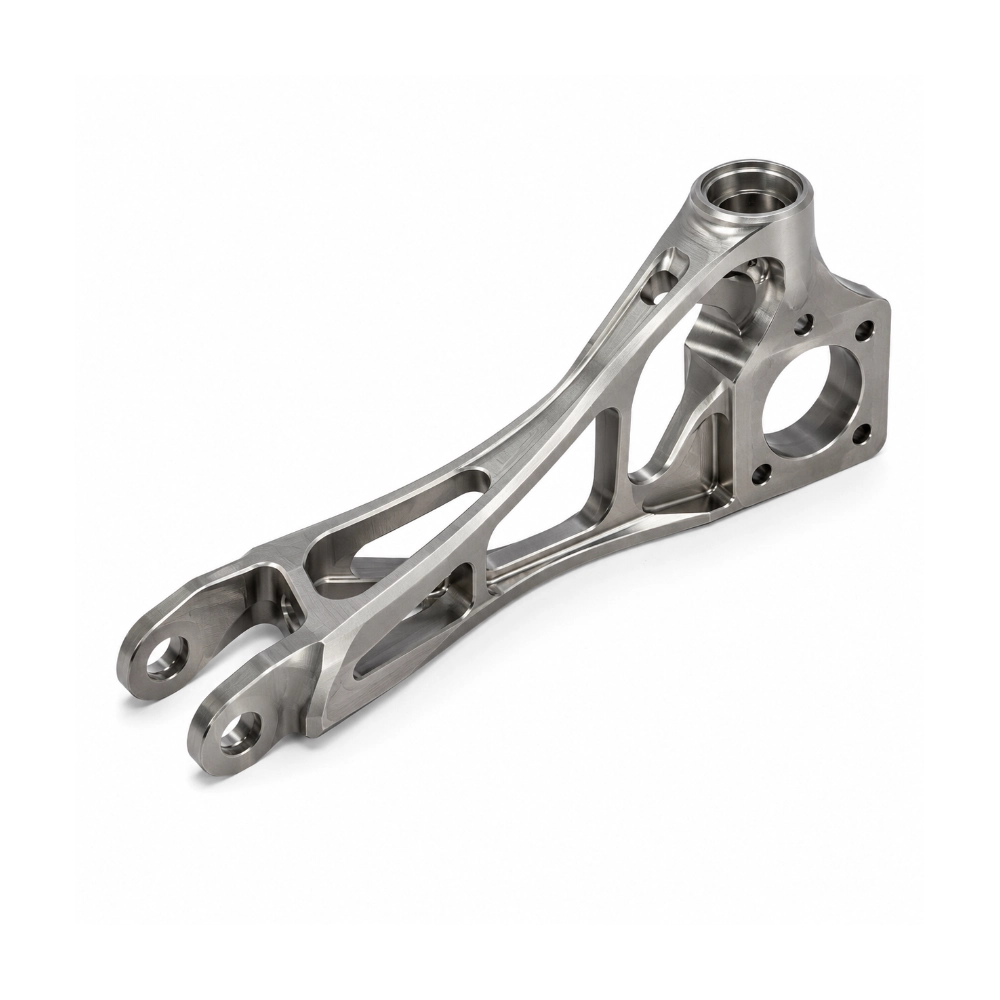
TC4 (Ti-6Al-4V) is the most widely used alpha-beta dual-phase titanium alloy, featuring low density, high specific strength and outstanding corrosion resistance. It is a core lightweight structural material for aerospace, medical and precision equipment industries.
Typical Chemical Composition
- Aluminum (Al): 5.5%–6.75% – Reinforces alpha phase, improves tensile strength and high-temperature stability
- Vanadium (V): 3.5%–4.5% – Stabilizes beta phase, enhances ductility and forming performance
- Iron (Fe): ≤0.25%
- Oxygen (O): ≤0.20%
- Carbon (C): ≤0.08%
- Balance: Titanium (Ti)
Core Material Properties
- Ultra-Low Density & High Specific Strength Density only around 4.43 g/cm³, roughly 60% of stainless steel. Its strength-to-weight ratio far outperforms steel and aluminum alloys, enabling lightweight design without sacrificing load capacity.
- Excellent Universal Corrosion Resistance A dense inert titanium oxide film spontaneously forms on the surface, resisting seawater, salt mist, sweat, organic solvents, weak acids and alkalis. Corrosion resistance surpasses 316 stainless steel in chloride-rich environments.
- Outstanding Biocompatibility Non-toxic and non-irritating to human tissue, no metal ion precipitation. Fully compliant with medical implant standards for long-term bodily contact.
- Stable Extreme Temperature Performance Works reliably at cryogenic temperatures without brittleness; maintains stable mechanical properties up to 400°C for continuous service.
- Non-magnetic Characteristic Completely non-magnetic under all working conditions, suitable for magnetic resonance equipment and magnetic-sensitive electronic precision parts.
- Moderate Forming & Machining Performance Higher forming difficulty than stainless steel due to low thermal conductivity; MIM requires tailored powder sintering processes to avoid oxidation defects.
Machining & MIM Process Adaptability
- Metal Injection Molding (MIM) TC4 titanium powder can produce complex thin-walled lightweight components via MIM. Sintering must be carried out under high-purity inert atmosphere to prevent surface oxidation and oxygen embrittlement. Ideal for miniature lightweight structural parts with tight weight and tolerance requirements.
- Compatible Surface Treatments Supports sandblasting, mirror polishing, anodizing, PVD coating and passivation. Anodization forms colorful protective oxide layers for both decorative and anti-corrosion functions.
- Heat Treatment Options Can be stress-relieved, solution treated and aged to adjust strength and ductility; aging significantly improves tensile strength for high-load lightweight parts.
Advantages & Disadvantages
Advantages
- Ultra-light weight with superior specific strength, obvious weight reduction effect
- Top-tier corrosion resistance in salt, sweat and marine environments
- Medical-grade biocompatibility for implants and surgical instruments
- Non-magnetic, no interference to precision magnetic equipment
- Excellent low-temperature toughness, no brittle fracture under cryogenic conditions
Disadvantages
- Much higher raw material and processing cost than stainless steel
- Poor thermal conductivity leads to higher machining difficulty
- Strict inert atmosphere protection required during sintering, increasing MIM production cost
- Surface easily absorbs oxygen at high temperature, causing brittleness if process is not controlled properly
Typical Applications
- Medical Devices: Bone implant accessories, minimally invasive surgical instruments, dental structural parts
- Aerospace & Aviation: Miniature lightweight fasteners, sensor brackets, thin-wall structural fittings
- High-end Smart Wearables: Luxury watch cases, lightweight bezels, skin-friendly buckles
- Marine & Fluid Equipment: Seawater corrosion-resistant lightweight connectors, valve miniature parts
- Precision Electronic Hardware: Non-magnetic structural brackets for MRI and magnetic sensors
440C
- Name: Martensitic stainless steel
- Grade: 440C
View Details
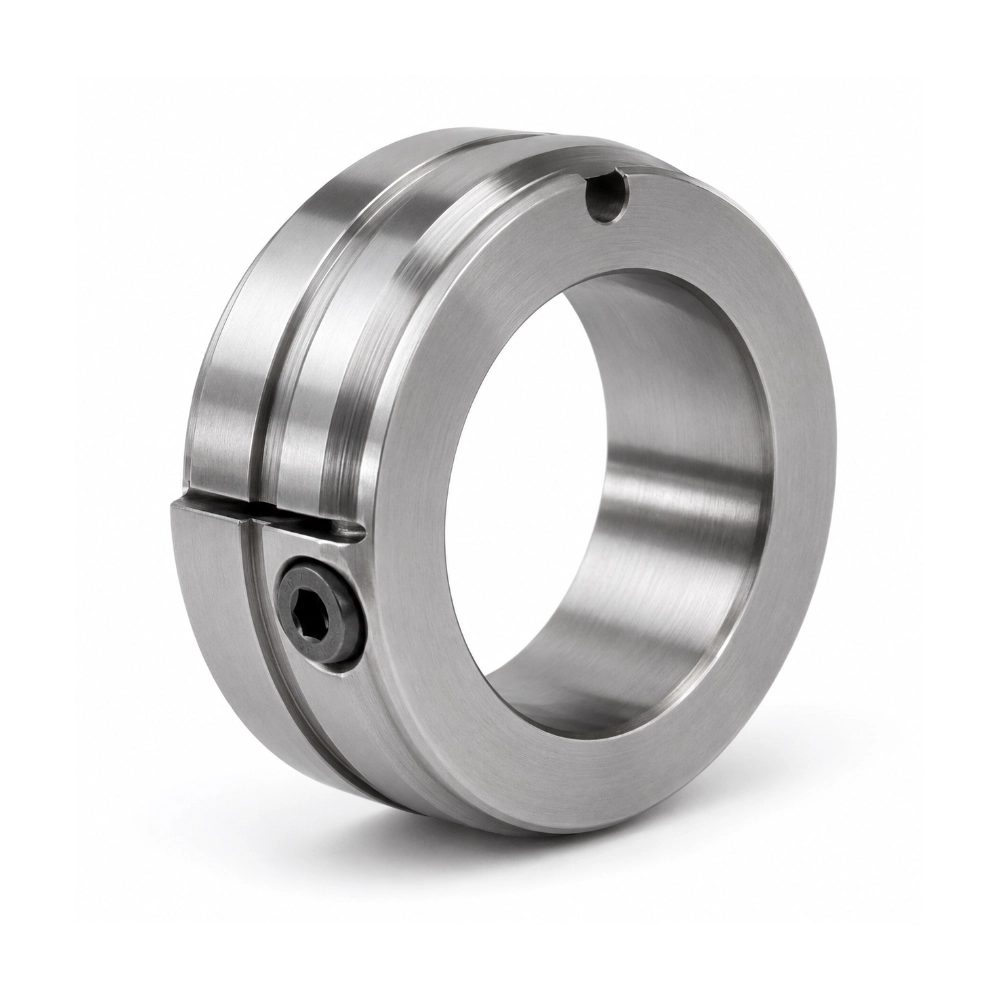
440C is the highest-carbon martensitic stainless steel grade. It delivers extreme hardness and outstanding wear resistance after quenching and tempering, paired with moderate corrosion resistance.
Typical Chemical Composition
- Chromium (Cr): 16.0%–18.0% – Provides stainless passive film for basic anti-corrosion performance
- Carbon (C): 0.95%–1.20% – Ultra-high carbon is the core element for achieving ultra-high hardness post quenching
- Manganese (Mn): ≤1.00%
- Silicon (Si): ≤1.00%
- Molybdenum (Mo): 0.40%–0.70% – Improves wear resistance and hardenability
- Balance: Iron
Core Material Properties
- Ultra-High Hardness & Superior Wear Resistance After full quenching and low-temperature tempering, hardness can reach 58–62 HRC, ranking top among standard stainless steels. Perfect for components subject to long-term sliding friction and abrasion.
- Moderate Corrosion Resistance Better rust resistance than 420 martensitic steel, yet far inferior to 304/316 austenitic stainless steel. It withstands dry air, fresh water and mild organic media, but will corrode under salt spray, acid or continuous sweat exposure.
- Fully Heat-Treatable Soft and machinable in annealed condition; quenching plus tempering drastically boosts hardness, yield strength and abrasion resistance.
- Ferromagnetic Property Magnetic in all metallurgical states, unsuitable for electronic assemblies sensitive to magnetic interference.
- Low Ductility High carbon and chromium carbides reduce toughness. It is prone to cracking during heavy cold forming; strict sintering parameter control is required for MIM manufacturing.
- Temperature Limitation Long-term operating temperature is limited below 200°C; sustained high temperature will cause hardness loss and structural softening.
Machining & MIM Process Adaptability
- Metal Injection Molding (MIM) 440C powder is available for fabricating tiny complex high-hardness functional parts. Sintering atmosphere must be precisely regulated to avoid decarburization or excess carbide precipitation. Widely used for miniature bearings, cutting tips and precision sliding cores.
- Compatible Surface Treatments Supports mirror polishing, sandblasting, passivation and PVD coating. Mirror polishing yields ultra-smooth surfaces for precision contact components.
- Standard Heat Treatment Route Full annealing (softening for forming) → high-temperature quenching → low-temperature tempering to eliminate quenching stress while retaining maximum hardness.
Advantages & Disadvantages
Advantages
- Highest attainable hardness and wear resistance among common stainless steel grades
- Better corrosion resistance than 410 / 420 martensitic stainless steel
- Excellent polishing performance for ultra-smooth precision contact surfaces
- High surface compressive strength, long service life under continuous friction
Disadvantages
- Poor corrosion resistance against salt, acid and coastal humid environments
- Low toughness and ductility, easy to crack under impact load
- Strong magnetism, cannot be used for magnetic-sensitive equipment
- Strict sintering atmosphere control required for MIM to prevent carbon imbalance defects
- Higher raw material cost than grade 420
Typical Applications
- Precision Wear Parts: Miniature bearing components, high-hardness sliding valve cores, gear friction inserts
- Cutting & Medical Tools: Micro cutting blades, hard-tip surgical instruments with low corrosion demand
- Consumer Hardware: High-end watch bearing parts, precision lock cores
- Industrial Precision Components: Meter valve spools, wear-resistant miniature mold inserts
17-4PH
- Name: Precipitation-hardening stainless steel
- Grade: 17-4PH
View Details
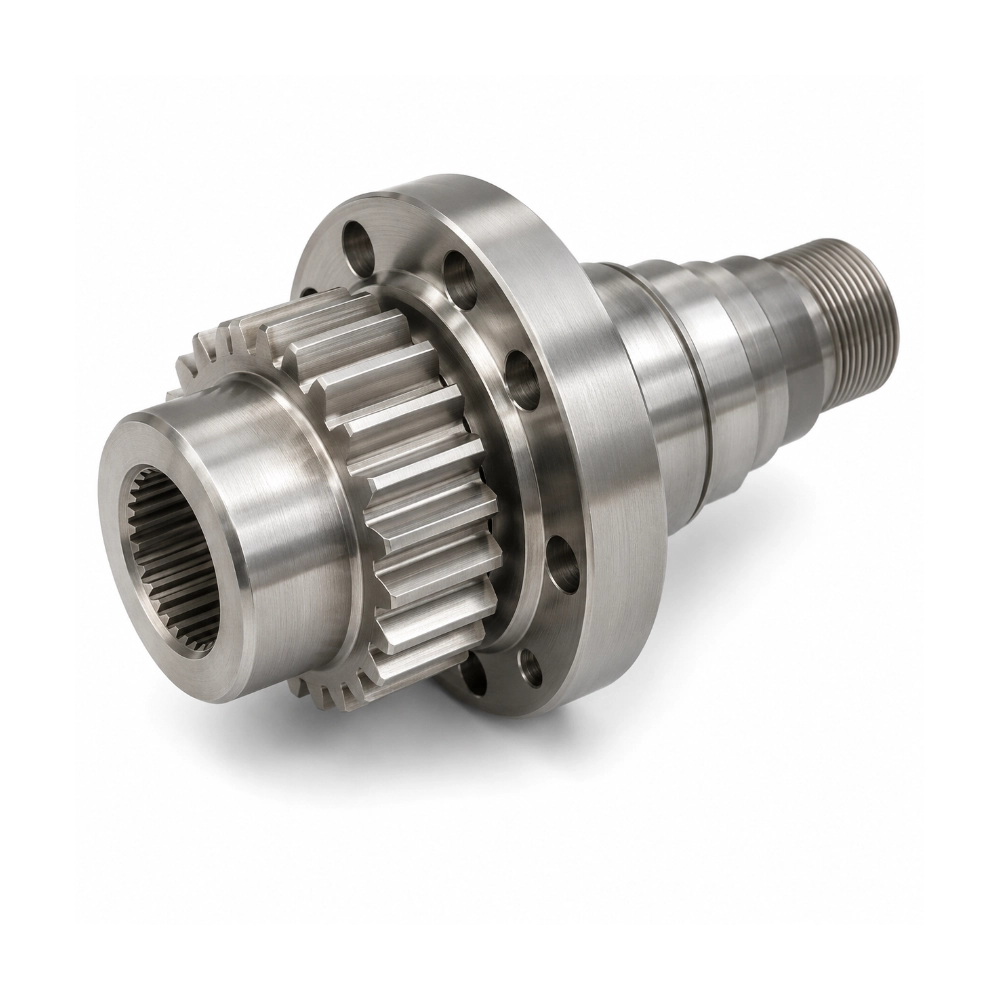
17-4PH is a typical martensitic precipitation-hardening stainless steel, combining corrosion resistance and ultra-high strength after aging heat treatment, widely used for high-load precision structural parts.
Typical Chemical Composition
- Chromium (Cr): 15.0%–17.5% – Provides basic rust and oxidation resistance
- Nickel (Ni): 3.0%–5.0% – Stabilizes matrix structure, improves toughness
- Copper (Cu): 3.0%–5.0% – Main precipitation strengthening element to boost hardness and tensile strength during aging
- Niobium (Nb): 0.15%–0.45% – Refines grains, inhibits carbide precipitation
- Carbon (C): ≤0.07% – Low carbon to reduce intergranular corrosion
- Balance: Iron with minor trace elements
Core Material Properties
- Adjustable High Strength & Hardness Strength and hardness can be customized via different aging temperatures (H900/H1025/H1075/H1150/H1175). The highest hardness reaches over 44 HRC, outstanding for wear-resistant and load-bearing components.
- Good Corrosion Resistance Corrosion performance is better than common 400-series martensitic stainless steel, close to 304 austenitic steel; resists atmospheric corrosion, fresh water and mild chemical media.
- Heat-Treatable Strengthening Feature It can be softened by solution treatment for forming/machining, then significantly hardened by low-temperature aging, which is its biggest advantage over 304/316.
- Moderate Formability Better ductility than fully martensitic stainless steel; suitable for MIM to produce complex small structural parts, no easy cracking during sintering.
- Magnetic Property Magnetic in all heat treatment states, not suitable for magnetic-sensitive electronic assemblies.
- Temperature Performance Maintains stable mechanical properties under medium-temperature working conditions; not recommended for long-term service above 315°C.
Machining & MIM Process Adaptability
- Metal Injection Molding (MIM) 17-4PH powder has stable flowability, achieves high density after debinding and sintering. Perfect for miniature gears, hinge shafts, tow hooks, medical load-bearing tools and automotive structural parts with complex thin-wall geometry.
- Compatible Surface Treatments Supports polishing, sandblasting, passivation, PVD coating, meeting both mechanical and decorative requirements.
- Standard Heat Treatment Flow Solution treatment (high temperature holding + rapid cooling) → low-temperature aging to precipitate copper-rich phases, greatly improving hardness, tensile strength and yield strength.
Advantages & Disadvantages
Advantages
- Tunable ultra-high strength and hardness via aging heat treatment
- Balanced corrosion resistance and mechanical performance, superior to 410/420 martensitic steel
- Excellent dimensional stability after heat treatment, ideal for precision transmission parts
- High toughness, resistant to impact fracture under heavy load
Disadvantages
- Higher material cost than 304
- Magnetic, cannot be used for magnetic interference-sensitive equipment
- Inferior chloride corrosion resistance compared to 316, unsuitable for long-term salt spray coastal environments
- Hardened state has reduced ductility, difficult for secondary bending forming
Typical Applications
- Power Transmission & Gear Systems: Gear shafts, lock cores, small transmission gears
- Automotive Parts: Tow hooks, high-strength interior structural brackets
- Audio Equipment: Load-bearing rotating hinges, structural brackets
- Medical Devices: High-torque surgical industrial tools, clamping forceps with heavy load
- Industrial Precision Hardware: High-strength connectors, hydraulic miniature valve parts

Material Performance & Application Sheet
| Material | Performance | Features & Applications |
| 316L | Standard 316L density ≥7.8g/cm³; High-polish 316L density ≥7.93g/cm³; Tensile strength ≥480MPa; Yield strength ≥160MPa; Elongation ≥50%; Hardness 120-180HV | 1. Features: Non-magnetic, outstanding corrosion resistance and polishing performance2. Applications: 3C structural & cosmetic parts, watch cases |
| 17-4PH | Density ≥7.6g/cm³; Tensile strength ≥1200MPa; Yield strength ≥1000MPa; Elongation ≥5%; Hardness 36-40HRC | 1. Features: High strength, high hardness, decent corrosion resistance2. Applications: 3C structural parts |
| PANACEA | Density ≥7.5g/cm³; Tensile strength ≥900MPa; Yield strength ≥600MPa; Elongation ≥35%; Hardness 280-350HV | 1. Features: Nickel-free, non-magnetic, superior corrosion resistance2. Applications: 3C structural & cosmetic parts |
| Ultra-high Strength Steel | Density ≥7.6g/cm³; Tensile strength ≥1800MPa; Yield strength ≥1500MPa; Elongation ≥5%; Hardness 46-52HRC | 1. Features: Ultra-high yield strength, high hardness2. Applications: 3C structural parts, rotating shafts |
| TC4 Titanium Alloy | Density 4.3-4.4g/cm³; Tensile strength ≥1000MPa; Yield strength ≥900MPa; Elongation ≥20%; Hardness 300-370HV | 1. Features: Non-magnetic, low density, excellent corrosion resistance, good biocompatibility2. Applications: 3C structural & cosmetic parts, watch cases |
| Low-density Steel | Density ≤6.5g/cm³; Tensile strength ≥1100MPa; Yield strength ≥900MPa; Elongation ≥5%; Hardness 390-420HV | 1. Features: Low density, high strength2. Applications: 3C structural parts, rotating shafts |
| IN713C | Density ≥7.8g/cm³; Tensile strength ≥1350MPa; Yield strength ≥950MPa; Elongation ≥10%; Hardness 40-42HRC | 1. Features: Non-magnetic, high strength, great high-temperature performance and corrosion resistance2. Applications: 3C structural parts, rotating shafts |
| 420W | Density ≥7.6g/cm³; Tensile strength ≥1800MPa; Yield strength ≥1300MPa; Elongation ≥8%; Hardness 50-52HRC | 1. Features: Moderate wear & corrosion resistance, high hardness2. Applications: 3C structural parts, rotating shafts |
| F75 | Density ≥8.0g/cm³; Tensile strength ≥880MPa; Yield strength ≥500MPa; Elongation ≥15%; Hardness 270-310HV | 1. Features: Non-magnetic, high strength, good corrosion resistance, biocompatible2. Applications: 3C structural parts |
Surface Treatment Process Analysis Table
| Process | Detailed Steps | Main Advantages | Main Disadvantages | Applicable Materials | Typical Applications |
| Tumbling | Put parts, abrasives and polishing agents into rotary barrels; remove burrs and flash via friction & collision to boost surface finish | Low cost, mass-production compatible, works for complex geometries, great deburring effect | Limited precision, unable to reach mirror finish, tiny features prone to abrasion | Stainless steel, iron-based alloys, cemented carbide and most MIM materials | Small structural components, gears, hardware deburring & rough polishing |
| Sandblasting | High-speed blast abrasives (glass beads, ceramic grit, steel shot) onto workpieces via compressed air to form uniform matte texture | Uniform matte surface, removes scale, improves coating adhesion, adjustable roughness | No dimensional accuracy improvement, thin-walled parts easy to deform, dust treatment required | All MIM metals | Cosmetic parts, pre-treatment for coating/plating, eliminate machining marks |
| Mechanical Polishing | Multi-stage grinding with abrasive wheels, cloth wheels and polishing paste from coarse to fine for smoother surface | Mirror finish achievable, controllable precision, fits flat & outer circular surfaces | High labor cost, hard to polish complex inner cavities, low efficiency | Stainless steel, titanium alloy, cemented carbide | High-end cosmetic parts, mirror decorative pieces, sealing surface polishing |
| Vibratory Finishing | Parts vibrate at high frequency with abrasives in vibratory tanks for deburring, chamfering and polishing | Mass-production friendly, fits complex shapes, uniform finish, moderate cost | Medium polishing precision, cannot achieve ultra-mirror surface | All MIM metals | Hardware, jewelry, small precision mass polishing |
| Chemical Polishing | Immerse parts in acidic solution to level surface via chemical dissolution and boost gloss | Works for complex inner cavities, simple equipment, high efficiency | Heavy pollution, high environmental cost, poor dimensional control, lower gloss than electropolishing | Stainless steel, copper alloy, aluminum alloy | Stainless decorative parts, bright finishing for complex inner cavity components |
| Electropolishing | Treat workpieces as anodes in electrolyte; electrochemically dissolve micro-protrusions to get mirror finish | Ultra-high surface smoothness, burr removal, enhanced corrosion resistance, fits complex shapes | Relatively high cost, complicated waste liquid treatment, slight dimensional loss | 304/316 stainless steel, titanium alloy | Medical devices, food-grade parts, semiconductor components, premium cosmetic parts |
| Passivation | Treat stainless steel with nitric/citric acid passivating solution to form dense anti-rust oxide film | Simple process, low cost, greatly improves corrosion resistance, no change to dimension & appearance | Only boosts rust resistance, no roughness or hardness improvement | Austenitic stainless steel like 304/316 | Medical components, food equipment, chemical part anti-rust treatment |
| Pickling | Remove oxide scale, rust and sinter discoloration with acid to expose bare metal | Effective scale removal, mass-production feasible, low cost | Matte gray-white surface, corrosion risk, strict environmental compliance required | Stainless steel, iron-based alloy, copper alloy | Post-sintering scale removal, pre-treatment for plating & coating |
| Electroplating (Nickel/Chrome/Zinc) | Deposit metal coating on parts via electrolysis for wear resistance, anti-corrosion and decoration | Uniform coating, multiple metal options, strong decoration & wear resistance | MIM pores may cause blistering, sealing pre-treatment needed, strict environmental rules | Iron-based alloy, stainless steel, copper alloy and most MIM materials | Hardware fasteners, decorative parts anti-corrosion & finishing |
| Electroless Nickel | Deposit nickel-phosphorus alloy coating via chemical reaction without power supply, excellent uniformity | Consistent coating thickness, great throwing power, superior wear & corrosion resistance, high hardness | Higher cost than electroplating, slow deposition, brittle coating | All MIM metals | Complex components, valve bodies, pump parts, mold inserts wear & corrosion protection |
| PVD (Physical Vapor Deposition) | Ionize metals like titanium/chromium under vacuum and deposit hard coating on workpiece | Ultra-high hardness (HV2000+), outstanding wear resistance, eco-friendly, various colors (gold/black/blue) | Thin coating (1-5μm), strict requirement on substrate roughness, high cost | Stainless steel, titanium alloy, cemented carbide, mold steel | Cutting tools, molds, wear-resistant components, premium decorative parts |
| DLC (Diamond-Like Carbon Coating) | DLC film with extreme hardness and self-lubricating property | High hardness, ultra-low friction coefficient, self-lubricating, anti-corrosion | Bonding force control required, thin coating, high cost, poor high-temperature resistance | Stainless steel, titanium alloy, bearing steel | Precision bearings, gears, valve spools, medical wear-resistant parts |
| Anodizing | Form dense oxide film on titanium/aluminum via electrolytic oxidation for wear resistance, anti-corrosion and coloring | Excellent corrosion resistance, customizable decorative colors, high hardness, eco-friendly | Only applicable to valve metals (Ti/Al), complicated process, relatively high cost | TC4 titanium alloy, aluminum alloy | Titanium medical implants, aerospace components, premium cosmetic parts |
| Vacuum Quenching | Heat parts in vacuum furnace then rapid cooling; martensitic transformation boosts hardness & strength | Oxidation-free, minimal deformation, uniform hardness, good surface quality | High equipment cost, only for hardenable materials, dimensional shift control required | Martensitic stainless steel (420/440C), low-alloy steel, mold steel | Cutting tools, bearings, gears, structural part strengthening heat treatment |
| Age Hardening | Precipitation-hardened stainless steel low-temperature aging; precipitate intermetallic compounds to strengthen substrate | Minimal heat treatment deformation, stable dimension, adjustable high strength | Long process cycle, high cost, only for precipitation-hardening materials | 17-4PH, 17-7PH precipitation hardening stainless steel | Aerospace parts, high-pressure valve bodies, precision structural components |
| Carburizing / Nitriding | Infuse carbon/nitrogen atoms into workpiece surface at high temperature to form hard surface layer | Ultra-high surface hardness, wear resistance, tough core substrate, suitable for heavy loads | High processing temperature, obvious deformation, long cycle, environmental requirements | Low-carbon steel, low-alloy steel, partial stainless steel | Gears, shafts, molds, surface strengthening for wear-resistant parts |
| Carbonitriding | Co-infiltrate carbon & nitrogen, combine advantages of carburizing and nitriding for high hard wear-resistant surface | High hardness, great wear resistance, lower processing temperature & less deformation than carburizing | Moderate deformation, complicated process, higher cost | Low-carbon alloy steel, structural steel | Gears, pin shafts, valves and medium-load wear-resistant parts |
| Black Oxide Treatment | Alkaline oxidation forms black Fe₃O₄ protective film on steel for decoration & mild anti-rust | Ultra-low cost, uniform black appearance, nearly zero dimensional change, limited rust prevention | Weak anti-corrosion performance, oil sealing required, only for ferrous metals | Iron-based alloy, carbon steel, low-alloy steel | Fasteners, mechanical parts, black decorative hardware |
| Impregnation & Sealing | Fill internal pores of MIM parts with resin/inorganic sealant to improve density & air tightness | Closes pores, improves plating/coating quality, prevents leakage, boosts strength | Extra process cost, possible dimensional tolerance shift, infiltration depth control needed | All sintered MIM parts (especially low-density grades) | Air-tight components, hydraulic parts, pre-plating pore sealing |
| Powder Coating & Spray Painting | Spray plastic powder or paint on workpieces, cure to form organic anti-corrosion decorative coating | Rich color options, good decoration & anti-corrosion, covers minor surface defects | Coating thickness affects precision dimensions, pre-treatment required for adhesion, poor high-temperature resistance | All MIM metals | Cosmetic housings, outdoor equipment anti-corrosion finishing |
| Laser Marking | Etch texts, patterns & QR codes on surface via laser beam for permanent identification | Permanent & clear marking, high precision, non-contact processing, eco-friendly without consumables | High equipment cost, surface marking only, better effect on dark materials | All MIM metals | Part serial numbers, QR codes, LOGO, specification marking |
| Brushed Finishing | Pull uniform linear textures on surface with abrasive belts/nylon wheels for metallic texture | Strong metallic texture, covers minor scratches, premium decorative effect | Fingerprint prone, slightly reduced anti-corrosion performance, only for flat/curved surfaces | Stainless steel, copper alloy, aluminum alloy | High-end cosmetic parts, consumer electronics, decorative hardware |
The MIM Injection Molding Process
Our high-performance materials and technologies set new standards in numerous industries such as the automotive industry, mechanical engineering, the energy sector and many more.
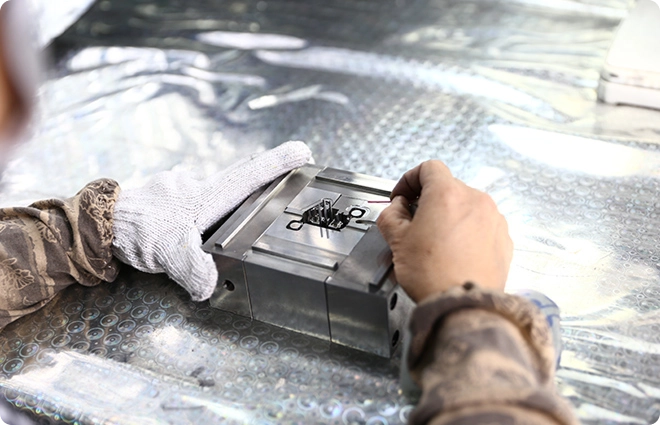
Step 1
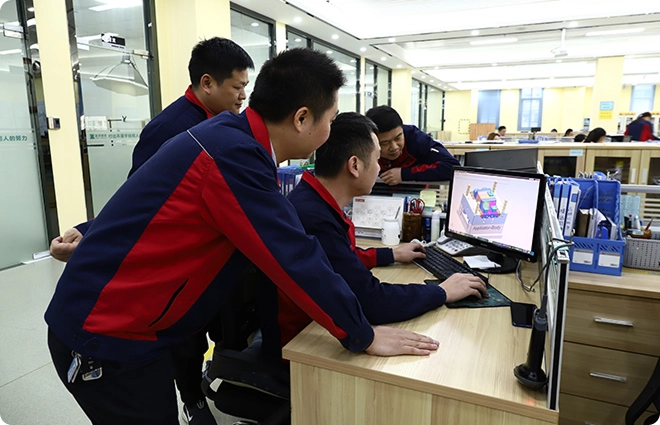
Mold Design and Fabrication

Precision molds are designed with shrinkage compensation and optimized structures to ensure stable molding, high accuracy, and long service life for mass production.
Step 2
Material Preparation

Fine metal powders are mixed with polymer binders to form a homogeneous feedstock with excellent flowability and consistent composition.
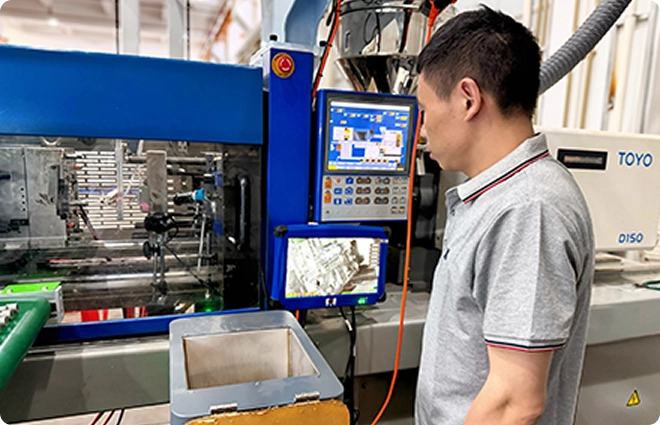
Step 3
Injection Molding

The prepared feedstock is injected into precision molds under high pressure to form green parts with complex geometries and high dimensional consistency.
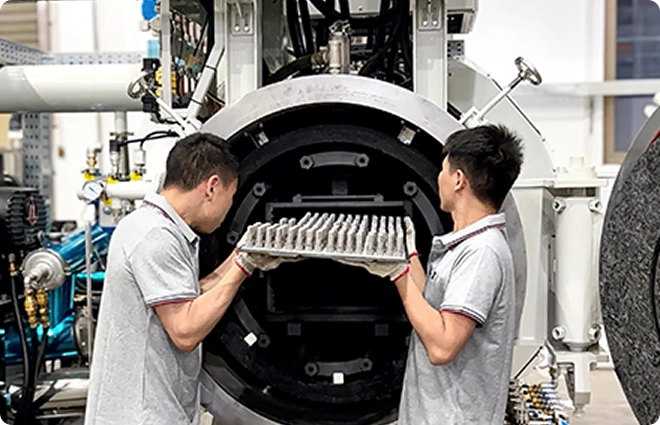
Step 4
Debinding

Binder materials are carefully removed through thermal or solvent processes to produce a porous brown part while maintaining structural integrity.
Step 5
Sintering

Parts are sintered at high temperatures in a controlled atmosphere, achieving densification, shrinkage control, and mechanical properties close to forged metals.
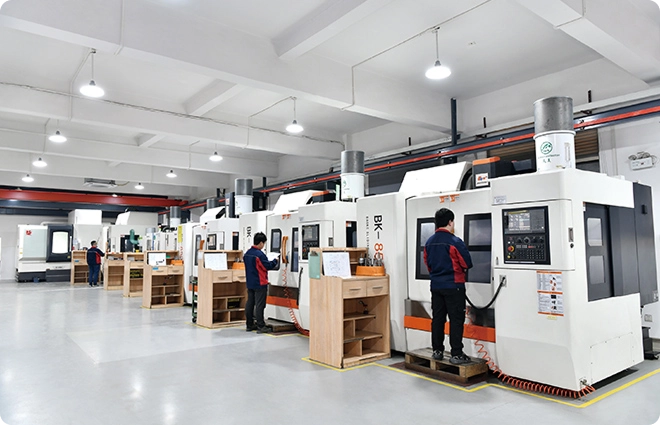
Step 6
Post-Processing

Secondary processes such as CNC machining, polishing, and surface treatment are applied to achieve final precision, appearance, and functional performance.
Why Choose Us?
Real-world project demonstrations showcase our technological capabilities and achievements across multiple industries.
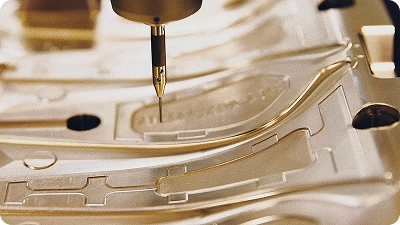
Integrated Tooling & MIM Solutions
Yize Metal integrates MIM mold development, manufacturing, and injection molding into a seamless process. During the mold design phase, we simultaneously account for molding shrinkage, debinding, and sintering deformation. This approach effectively minimizes the number of trial runs and reduces development risks, thereby ensuring dimensional stability and consistency across mass production batches. 1

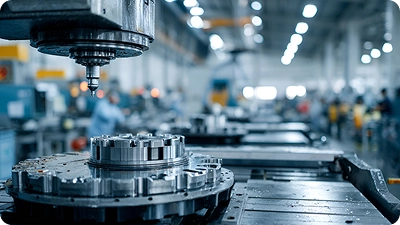
High-Yield Mass Production
Leveraging our mature process control capabilities—spanning powder compounding, injection molding, debinding, and sintering—we achieve stable production of complex metal components. Our process ensures minimal batch-to-batch variation and consistent performance, making our solutions ideal for highly reliability-critical applications in sectors such as medical devices, electronics, and automotive.
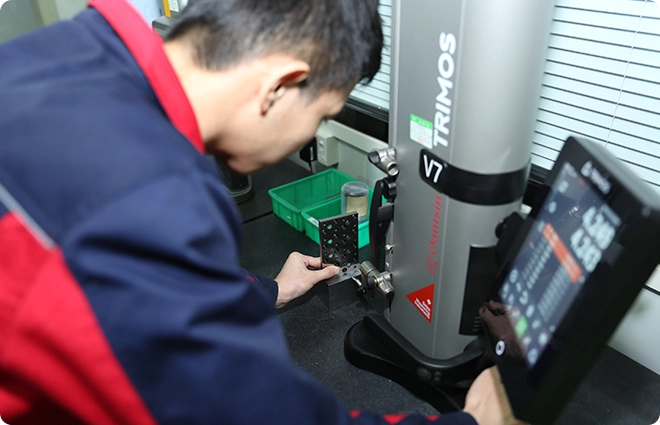
Comprehensive Quality Management System
Comprehensive Quality Management System Backed by rigorous quality management and a comprehensive process traceability system, we maintain strict control over the entire workflow—from raw materials to finished products. We support comprehensive verification of dimensions, performance, and consistency, providing our clients with MIM solutions that enable sustainable mass production and foster long-term collaborative partnerships

Get A Quote Now
Frequently Asked Questions
Here are some of the questions we get asked often. If yours isn’t answered, don’t hesitate to contact us, we’re happy to help!
-
What is the first step in the MIM process?
-
The first step is mold design and fabrication, where precision molds are developed with shrinkage compensation to ensure stable mass production.
-
What materials are used in MIM feedstock?
-
MIM feedstock is made of ultra-fine metal powders mixed with polymer binders to ensure good flowability and consistent molding performance.
-
How does injection molding work in MIM?
-
The feedstock is injected into precision molds under high pressure to form green parts with complex geometries and accurate dimensions.
-
Why is debinding important in MIM?
-
Debinding removes the binder material from green parts, creating a porous structure that prepares the component for densification during sintering.
-
What happens during the sintering process?
-
Sintering is performed at high temperatures in a controlled atmosphere, where metal particles bond together to form dense, high-strength components.
-
What is included in post-processing?
-
Post-processing may include CNC machining, polishing, and surface treatment to achieve final dimensions, appearance, and functional requirements.
Let's Talk About Your Project
With its ability to create complex shapes, use a variety of alloys, and enable rapid production, our die casting service is unmatched. If you’re ready to get started, choosing a material and an experienced injection molding partner becomes crucial.