



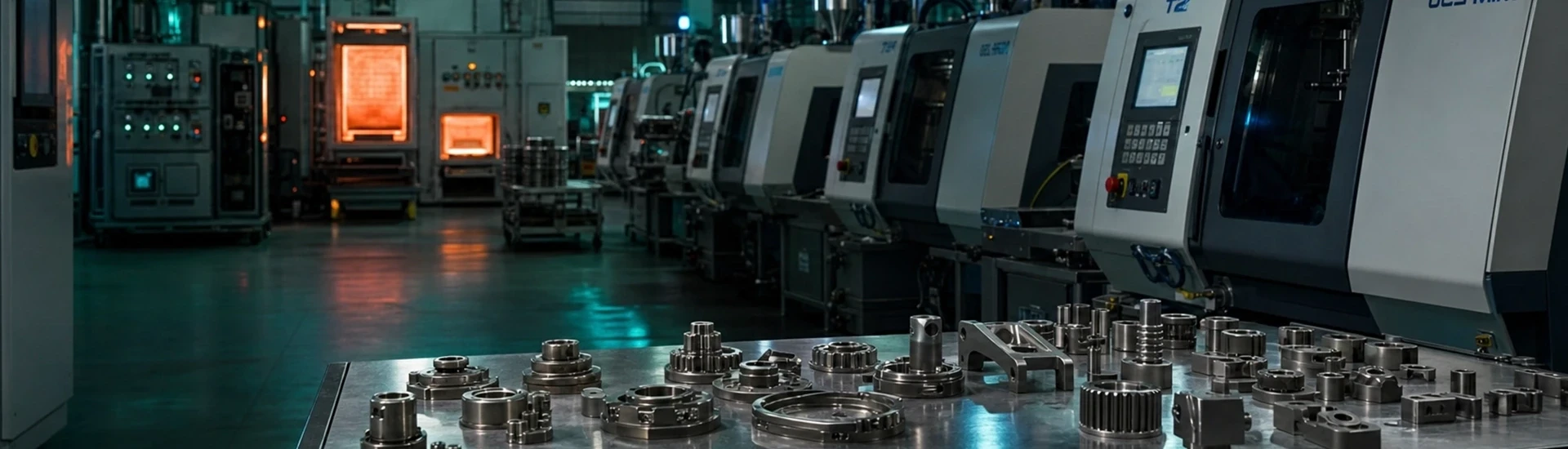
Multi-material compatibility, available in stainless steel and light metal customization, to meet the demands of high-end industries.
Get A Quote Now

Technological Strength
Multi-material compatibility, available in stainless steel and light metal customization, to meet the demands of high-end industries.
Get A Quote Now
Technological Strength
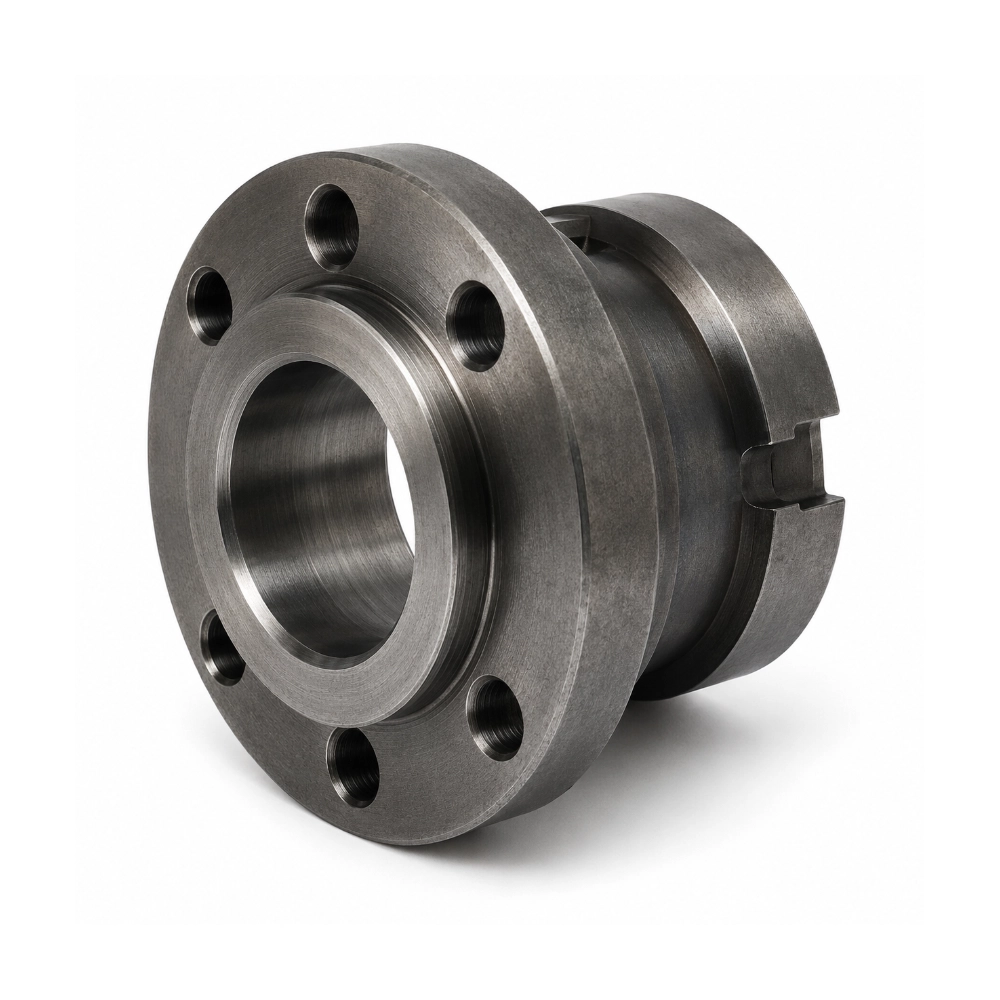
Fe8Ni
- Name: Low-alloy steel
- Grade: Fe8Ni
View Details

Fe8Ni is an iron-nickel low-alloy steel with 8% nickel as the primary alloying element, widely applied in MIM production for parts requiring high toughness and dimensional stability.
Typical Chemical Composition
- Nickel (Ni): 7.5%–8.5% – Main alloy element that improves low-temperature toughness, sintering densification and dimensional consistency
- Carbon (C): ≤0.03% – Ultra-low carbon to avoid brittle carbide precipitation
- Minor trace elements: Mn, Si (trace levels)
- Balance: Iron
Core Material Properties
- Excellent Sintering Performance for MIM The nickel alloying system promotes uniform densification during sintering, delivering high compactness with minimal shrinkage deviation, ideal for micro complex thin-walled components.
- Superior Low-Temperature Toughness Nickel refines the ferrite matrix, eliminating low-temperature brittleness; maintains stable impact performance under cryogenic working conditions.
- Adjustable Mechanical Strength Strength and hardness can be boosted via carburizing, nitriding or quenching & tempering heat treatments; no precipitation hardening effect like 17-4PH.
- Magnetic Characteristic Ferromagnetic material, suitable for electromagnetic structural parts; not applicable for magnetic-sensitive precision electronics.
- Moderate Corrosion Resistance Basic rust resistance inferior to austenitic stainless steel (304/316). Surface protection such as plating, passivation or oil sealing is required for humid environments.
- Dimensional Stability Low thermal expansion coefficient compared to plain carbon steel, less prone to deformation during temperature cycling.
Machining & MIM Process Adaptability
- Metal Injection Molding (MIM) Fe8Ni powder has good fluidity for intricate micro geometries. After debinding and sintering, the part features uniform internal structure and low distortion, perfect for small mechanical structural parts with tight tolerance requirements.
- Compatible Surface Treatments Supports polishing, sandblasting, electroplating, nitriding and carburizing to enhance surface hardness and anti-rust capacity.
- Heat Treatment Options Can undergo quenching and tempering to balance strength and toughness; surface chemical heat treatment (nitriding) is commonly used to upgrade surface wear resistance.
Advantages & Disadvantages
Advantages
- Lower raw material cost than stainless steel grades
- Outstanding sintering shrinkage consistency, high dimensional accuracy for MIM mass production
- Exceptional low-temperature impact resistance
- Easy to strengthen via conventional quenching/tempering or surface hardening processes
Disadvantages
- Poor natural corrosion resistance; extra surface coating mandatory for damp or corrosive environments
- Magnetic, incompatible with magnetic interference-sensitive assemblies
- No high corrosion resistance against salt spray, acid and alkali media
Typical Applications
- Precision Transmission Parts: Small gear components, gear sleeves, low-load gear shafts
- Electromagnetic Components: Miniature magnetic structural brackets, sensor housings
- General Industrial Hardware: Low-load connecting pins, structural supports, miniature machinery parts
- Automotive General Fittings: Low-stress interior structural small parts
Material Performance & Application Sheet
| Material | Performance | Features & Applications |
| 316L | Standard 316L density ≥7.8g/cm³; High-polish 316L density ≥7.93g/cm³; Tensile strength ≥480MPa; Yield strength ≥160MPa; Elongation ≥50%; Hardness 120-180HV | 1. Features: Non-magnetic, outstanding corrosion resistance and polishing performance2. Applications: 3C structural & cosmetic parts, watch cases |
| 17-4PH | Density ≥7.6g/cm³; Tensile strength ≥1200MPa; Yield strength ≥1000MPa; Elongation ≥5%; Hardness 36-40HRC | 1. Features: High strength, high hardness, decent corrosion resistance2. Applications: 3C structural parts |
| PANACEA | Density ≥7.5g/cm³; Tensile strength ≥900MPa; Yield strength ≥600MPa; Elongation ≥35%; Hardness 280-350HV | 1. Features: Nickel-free, non-magnetic, superior corrosion resistance2. Applications: 3C structural & cosmetic parts |
| Ultra-high Strength Steel | Density ≥7.6g/cm³; Tensile strength ≥1800MPa; Yield strength ≥1500MPa; Elongation ≥5%; Hardness 46-52HRC | 1. Features: Ultra-high yield strength, high hardness2. Applications: 3C structural parts, rotating shafts |
| TC4 Titanium Alloy | Density 4.3-4.4g/cm³; Tensile strength ≥1000MPa; Yield strength ≥900MPa; Elongation ≥20%; Hardness 300-370HV | 1. Features: Non-magnetic, low density, excellent corrosion resistance, good biocompatibility2. Applications: 3C structural & cosmetic parts, watch cases |
| Low-density Steel | Density ≤6.5g/cm³; Tensile strength ≥1100MPa; Yield strength ≥900MPa; Elongation ≥5%; Hardness 390-420HV | 1. Features: Low density, high strength2. Applications: 3C structural parts, rotating shafts |
| IN713C | Density ≥7.8g/cm³; Tensile strength ≥1350MPa; Yield strength ≥950MPa; Elongation ≥10%; Hardness 40-42HRC | 1. Features: Non-magnetic, high strength, great high-temperature performance and corrosion resistance2. Applications: 3C structural parts, rotating shafts |
| 420W | Density ≥7.6g/cm³; Tensile strength ≥1800MPa; Yield strength ≥1300MPa; Elongation ≥8%; Hardness 50-52HRC | 1. Features: Moderate wear & corrosion resistance, high hardness2. Applications: 3C structural parts, rotating shafts |
| F75 | Density ≥8.0g/cm³; Tensile strength ≥880MPa; Yield strength ≥500MPa; Elongation ≥15%; Hardness 270-310HV | 1. Features: Non-magnetic, high strength, good corrosion resistance, biocompatible2. Applications: 3C structural parts |
Surface Treatment Process Analysis Table
| Process | Detailed Steps | Main Advantages | Main Disadvantages | Applicable Materials | Typical Applications |
| Tumbling | Put parts, abrasives and polishing agents into rotary barrels; remove burrs and flash via friction & collision to boost surface finish | Low cost, mass-production compatible, works for complex geometries, great deburring effect | Limited precision, unable to reach mirror finish, tiny features prone to abrasion | Stainless steel, iron-based alloys, cemented carbide and most MIM materials | Small structural components, gears, hardware deburring & rough polishing |
| Sandblasting | High-speed blast abrasives (glass beads, ceramic grit, steel shot) onto workpieces via compressed air to form uniform matte texture | Uniform matte surface, removes scale, improves coating adhesion, adjustable roughness | No dimensional accuracy improvement, thin-walled parts easy to deform, dust treatment required | All MIM metals | Cosmetic parts, pre-treatment for coating/plating, eliminate machining marks |
| Mechanical Polishing | Multi-stage grinding with abrasive wheels, cloth wheels and polishing paste from coarse to fine for smoother surface | Mirror finish achievable, controllable precision, fits flat & outer circular surfaces | High labor cost, hard to polish complex inner cavities, low efficiency | Stainless steel, titanium alloy, cemented carbide | High-end cosmetic parts, mirror decorative pieces, sealing surface polishing |
| Vibratory Finishing | Parts vibrate at high frequency with abrasives in vibratory tanks for deburring, chamfering and polishing | Mass-production friendly, fits complex shapes, uniform finish, moderate cost | Medium polishing precision, cannot achieve ultra-mirror surface | All MIM metals | Hardware, jewelry, small precision mass polishing |
| Chemical Polishing | Immerse parts in acidic solution to level surface via chemical dissolution and boost gloss | Works for complex inner cavities, simple equipment, high efficiency | Heavy pollution, high environmental cost, poor dimensional control, lower gloss than electropolishing | Stainless steel, copper alloy, aluminum alloy | Stainless decorative parts, bright finishing for complex inner cavity components |
| Electropolishing | Treat workpieces as anodes in electrolyte; electrochemically dissolve micro-protrusions to get mirror finish | Ultra-high surface smoothness, burr removal, enhanced corrosion resistance, fits complex shapes | Relatively high cost, complicated waste liquid treatment, slight dimensional loss | 304/316 stainless steel, titanium alloy | Medical devices, food-grade parts, semiconductor components, premium cosmetic parts |
| Passivation | Treat stainless steel with nitric/citric acid passivating solution to form dense anti-rust oxide film | Simple process, low cost, greatly improves corrosion resistance, no change to dimension & appearance | Only boosts rust resistance, no roughness or hardness improvement | Austenitic stainless steel like 304/316 | Medical components, food equipment, chemical part anti-rust treatment |
| Pickling | Remove oxide scale, rust and sinter discoloration with acid to expose bare metal | Effective scale removal, mass-production feasible, low cost | Matte gray-white surface, corrosion risk, strict environmental compliance required | Stainless steel, iron-based alloy, copper alloy | Post-sintering scale removal, pre-treatment for plating & coating |
| Electroplating (Nickel/Chrome/Zinc) | Deposit metal coating on parts via electrolysis for wear resistance, anti-corrosion and decoration | Uniform coating, multiple metal options, strong decoration & wear resistance | MIM pores may cause blistering, sealing pre-treatment needed, strict environmental rules | Iron-based alloy, stainless steel, copper alloy and most MIM materials | Hardware fasteners, decorative parts anti-corrosion & finishing |
| Electroless Nickel | Deposit nickel-phosphorus alloy coating via chemical reaction without power supply, excellent uniformity | Consistent coating thickness, great throwing power, superior wear & corrosion resistance, high hardness | Higher cost than electroplating, slow deposition, brittle coating | All MIM metals | Complex components, valve bodies, pump parts, mold inserts wear & corrosion protection |
| PVD (Physical Vapor Deposition) | Ionize metals like titanium/chromium under vacuum and deposit hard coating on workpiece | Ultra-high hardness (HV2000+), outstanding wear resistance, eco-friendly, various colors (gold/black/blue) | Thin coating (1-5μm), strict requirement on substrate roughness, high cost | Stainless steel, titanium alloy, cemented carbide, mold steel | Cutting tools, molds, wear-resistant components, premium decorative parts |
| DLC (Diamond-Like Carbon Coating) | DLC film with extreme hardness and self-lubricating property | High hardness, ultra-low friction coefficient, self-lubricating, anti-corrosion | Bonding force control required, thin coating, high cost, poor high-temperature resistance | Stainless steel, titanium alloy, bearing steel | Precision bearings, gears, valve spools, medical wear-resistant parts |
| Anodizing | Form dense oxide film on titanium/aluminum via electrolytic oxidation for wear resistance, anti-corrosion and coloring | Excellent corrosion resistance, customizable decorative colors, high hardness, eco-friendly | Only applicable to valve metals (Ti/Al), complicated process, relatively high cost | TC4 titanium alloy, aluminum alloy | Titanium medical implants, aerospace components, premium cosmetic parts |
| Vacuum Quenching | Heat parts in vacuum furnace then rapid cooling; martensitic transformation boosts hardness & strength | Oxidation-free, minimal deformation, uniform hardness, good surface quality | High equipment cost, only for hardenable materials, dimensional shift control required | Martensitic stainless steel (420/440C), low-alloy steel, mold steel | Cutting tools, bearings, gears, structural part strengthening heat treatment |
| Age Hardening | Precipitation-hardened stainless steel low-temperature aging; precipitate intermetallic compounds to strengthen substrate | Minimal heat treatment deformation, stable dimension, adjustable high strength | Long process cycle, high cost, only for precipitation-hardening materials | 17-4PH, 17-7PH precipitation hardening stainless steel | Aerospace parts, high-pressure valve bodies, precision structural components |
| Carburizing / Nitriding | Infuse carbon/nitrogen atoms into workpiece surface at high temperature to form hard surface layer | Ultra-high surface hardness, wear resistance, tough core substrate, suitable for heavy loads | High processing temperature, obvious deformation, long cycle, environmental requirements | Low-carbon steel, low-alloy steel, partial stainless steel | Gears, shafts, molds, surface strengthening for wear-resistant parts |
| Carbonitriding | Co-infiltrate carbon & nitrogen, combine advantages of carburizing and nitriding for high hard wear-resistant surface | High hardness, great wear resistance, lower processing temperature & less deformation than carburizing | Moderate deformation, complicated process, higher cost | Low-carbon alloy steel, structural steel | Gears, pin shafts, valves and medium-load wear-resistant parts |
| Black Oxide Treatment | Alkaline oxidation forms black Fe₃O₄ protective film on steel for decoration & mild anti-rust | Ultra-low cost, uniform black appearance, nearly zero dimensional change, limited rust prevention | Weak anti-corrosion performance, oil sealing required, only for ferrous metals | Iron-based alloy, carbon steel, low-alloy steel | Fasteners, mechanical parts, black decorative hardware |
| Impregnation & Sealing | Fill internal pores of MIM parts with resin/inorganic sealant to improve density & air tightness | Closes pores, improves plating/coating quality, prevents leakage, boosts strength | Extra process cost, possible dimensional tolerance shift, infiltration depth control needed | All sintered MIM parts (especially low-density grades) | Air-tight components, hydraulic parts, pre-plating pore sealing |
| Powder Coating & Spray Painting | Spray plastic powder or paint on workpieces, cure to form organic anti-corrosion decorative coating | Rich color options, good decoration & anti-corrosion, covers minor surface defects | Coating thickness affects precision dimensions, pre-treatment required for adhesion, poor high-temperature resistance | All MIM metals | Cosmetic housings, outdoor equipment anti-corrosion finishing |
| Laser Marking | Etch texts, patterns & QR codes on surface via laser beam for permanent identification | Permanent & clear marking, high precision, non-contact processing, eco-friendly without consumables | High equipment cost, surface marking only, better effect on dark materials | All MIM metals | Part serial numbers, QR codes, LOGO, specification marking |
| Brushed Finishing | Pull uniform linear textures on surface with abrasive belts/nylon wheels for metallic texture | Strong metallic texture, covers minor scratches, premium decorative effect | Fingerprint prone, slightly reduced anti-corrosion performance, only for flat/curved surfaces | Stainless steel, copper alloy, aluminum alloy | High-end cosmetic parts, consumer electronics, decorative hardware |
The MIM Injection Molding Process
Our high-performance materials and technologies set new standards in numerous industries such as the automotive industry, mechanical engineering, the energy sector and many more.
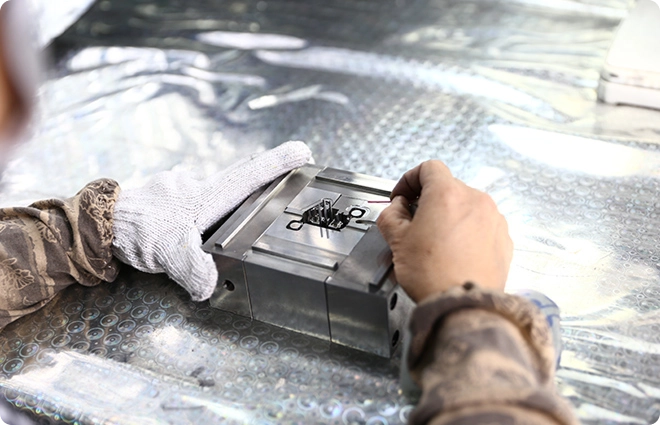
Step 1
Mold Design and Fabrication

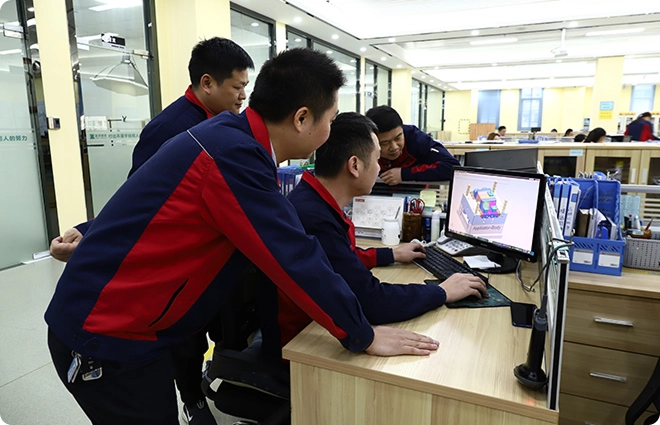
Precision molds are designed with shrinkage compensation and optimized structures to ensure stable molding, high accuracy, and long service life for mass production.
Step 2
Material Preparation

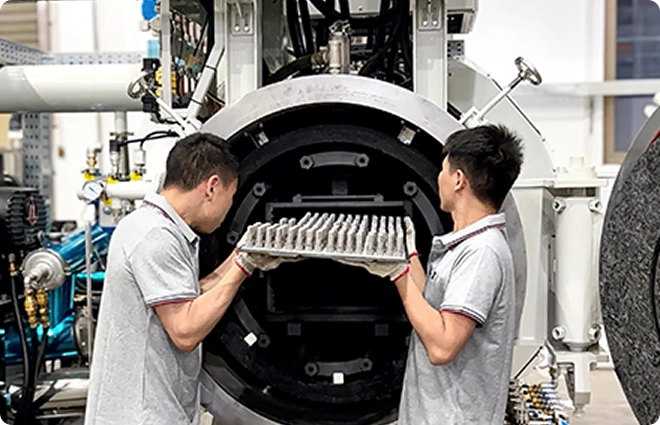
Fine metal powders are mixed with polymer binders to form a homogeneous feedstock with excellent flowability and consistent composition.
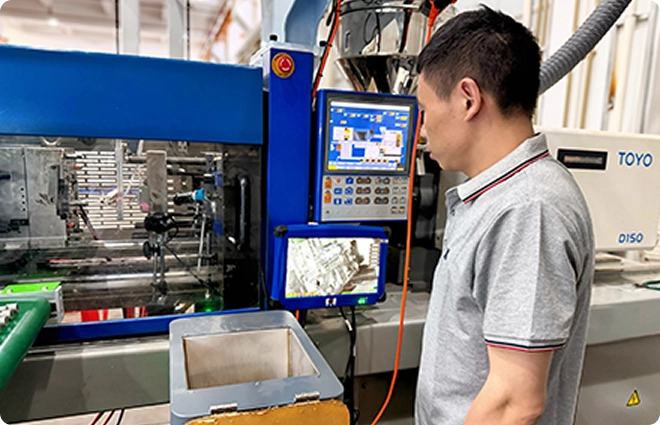
Step 3
Injection Molding

The prepared feedstock is injected into precision molds under high pressure to form green parts with complex geometries and high dimensional consistency.
Step 4
Debinding

Binder materials are carefully removed through thermal or solvent processes to produce a porous brown part while maintaining structural integrity.
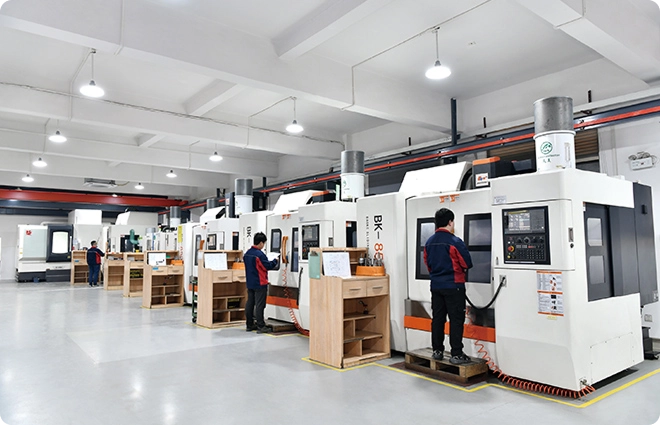
Step 5
Sintering

Parts are sintered at high temperatures in a controlled atmosphere, achieving densification, shrinkage control, and mechanical properties close to forged metals.
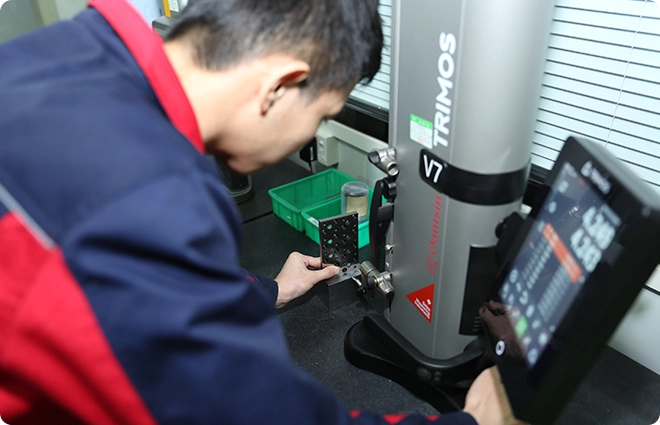
Step 6
Post-Processing

Secondary processes such as CNC machining, polishing, and surface treatment are applied to achieve final precision, appearance, and functional performance.
Why Choose Us?
Real-world project demonstrations showcase our technological capabilities and achievements across multiple industries.
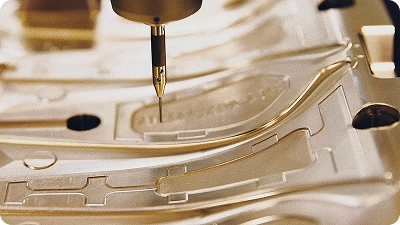
Integrated Tooling & MIM Solutions
Yize Metal integrates MIM mold development, manufacturing, and injection molding into a seamless process. During the mold design phase, we simultaneously account for molding shrinkage, debinding, and sintering deformation. This approach effectively minimizes the number of trial runs and reduces development risks, thereby ensuring dimensional stability and consistency across mass production batches. 1

High-Yield Mass Production
Leveraging our mature process control capabilities—spanning powder compounding, injection molding, debinding, and sintering—we achieve stable production of complex metal components. Our process ensures minimal batch-to-batch variation and consistent performance, making our solutions ideal for highly reliability-critical applications in sectors such as medical devices, electronics, and automotive.
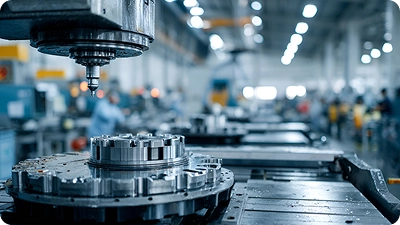
Comprehensive Quality Management System
Comprehensive Quality Management System Backed by rigorous quality management and a comprehensive process traceability system, we maintain strict control over the entire workflow—from raw materials to finished products. We support comprehensive verification of dimensions, performance, and consistency, providing our clients with MIM solutions that enable sustainable mass production and foster long-term collaborative partnerships

Get A Quote Now
Frequently Asked Questions
Here are some of the questions we get asked often. If yours isn’t answered, don’t hesitate to contact us, we’re happy to help!
-
What is the first step in the MIM process?
-
The first step is mold design and fabrication, where precision molds are developed with shrinkage compensation to ensure stable mass production.
-
What materials are used in MIM feedstock?
-
MIM feedstock is made of ultra-fine metal powders mixed with polymer binders to ensure good flowability and consistent molding performance.
-
How does injection molding work in MIM?
-
The feedstock is injected into precision molds under high pressure to form green parts with complex geometries and accurate dimensions.
-
Why is debinding important in MIM?
-
Debinding removes the binder material from green parts, creating a porous structure that prepares the component for densification during sintering.
-
What happens during the sintering process?
-
Sintering is performed at high temperatures in a controlled atmosphere, where metal particles bond together to form dense, high-strength components.
-
What is included in post-processing?
-
Post-processing may include CNC machining, polishing, and surface treatment to achieve final dimensions, appearance, and functional requirements.
Let's Talk About Your Project
With its ability to create complex shapes, use a variety of alloys, and enable rapid production, our die casting service is unmatched. If you’re ready to get started, choosing a material and an experienced injection molding partner becomes crucial.